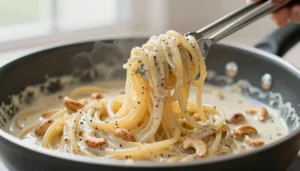
I saw this on my feed for the 14th time today and finally cracked. The frame was perfect: glossy strands of spaghetti tangled in a pale, peppered sauce that looked like it had been painted by a minimalist chef. The caption promised it was vegan—no butter, no Parmesan, just cashews and black pepper. I had to know if the hype was real or just good lighting. So I soaked the cashews, cracked an embarrassing amount of pepper, and surrendered to the algorithm. This viral raspberry cloud cake moment taught me that online beauty doesn’t always translate to a plate. But this cacio e pepe? It had a different energy. The reality check was worth the mess.
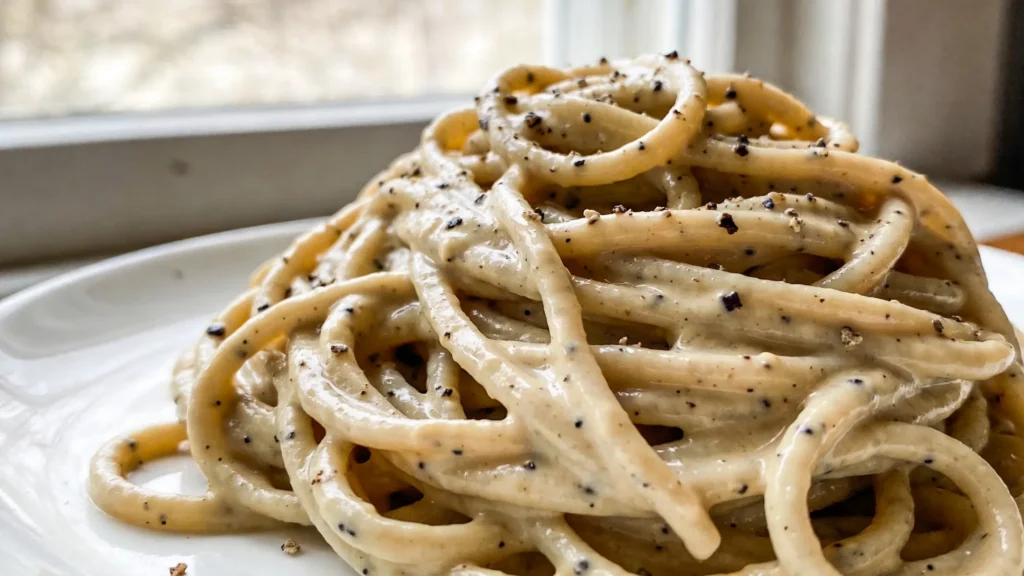
Viral Vegan Cacio e Pepe Trending This October
This incredibly simple viral vegan cacio e pepe made with cashew pecorino and freshly cracked black pepper is the most shared Italian-inspired plant-based pasta trending on food social media this October.
Ingredients
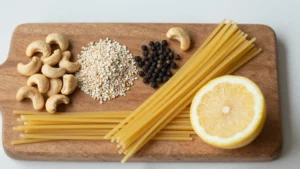
- 8 oz (225 g) spaghetti or other long pasta
- 1 cup (150 g) raw cashews, soaked in hot water for 15 minutes and drained
- 1/3 cup (40 g) nutritional yeast
- 1 tbsp (15 ml) fresh lemon juice
- 1 tsp salt, plus more for pasta water
- 1 1/2 tsp (3 g) freshly cracked black pepper, plus more for garnish
- 1/4 cup (60 ml) reserved pasta water, plus more as needed
- 2 tbsp (30 ml) extra-virgin olive oil (optional, for richness)
Instructions
- 1. Bring a large pot of salted water to a boil. Cook the spaghetti according to package directions until al dente. Reserve 1 cup (240 ml) of pasta water before draining.
- 2. While the pasta cooks, prepare the cashew pecorino: In a high-speed blender, combine the soaked and drained cashews, nutritional yeast, lemon juice, salt, and 1/4 cup (60 ml) of the reserved pasta water. Blend until completely smooth and creamy, scraping sides as needed. Add more pasta water 1 tablespoon at a time if too thick.
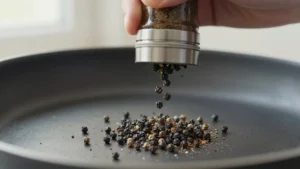
- 3. In a large skillet over medium heat, toast the cracked black pepper for 1–2 minutes until fragrant. Reduce heat to low.
- 4. Add the drained pasta to the skillet with the toasted pepper. Pour the cashew cream over the pasta and toss well to coat. If the sauce is too thick, add more pasta water a splash at a time until creamy.
- 5. Serve immediately, garnished with extra cracked black pepper and a drizzle of olive oil if desired.

Details
This viral vegan cacio e pepe uses a creamy cashew-based pecorino for a rich, cheesy flavor without dairy. It's the most shared Italian-inspired plant-based pasta trending on food social media this October.
Nutrition Facts (per serving)
| Calories | 650 kcal |
| Protein | 20 g |
| Carbs | 60 g |
| Fat | 35 g |
Notes
For a quicker version, use raw cashews that have been soaked in boiling water for 15 minutes. Reserve plenty of pasta water as it's key to achieving the right creamy consistency. The nutritional yeast gives the cheesy flavor while keeping it vegan.
Why This Dish Is Taking Over Your Feed
The visual hook is the sauce: a silky, golden-cream cashew pecorino that clings to each strand like a second skin. No cheese pull, no dairy—just a weirdly satisfying 15-minute hack that makes you feel like you’ve hacked Italian cuisine. But beyond the glossy swirls and the dramatic black pepper crack, the real win is taste. It’s nutty, tangy from the lemon, and stupidly peppery in a way that stings the nose. It actually works as a meal, not just a prop. For context, the same internet energy that brought us viral sweet corn ice cream is now obsessed with veganizing Roman classics. The difference? This one doesn’t rely on a weird ingredient—it’s pantry-friendly and genuinely satisfying.
The Perfect Occasion for This Recipe
Make this when you want to flex for dinner guests but only have 20 minutes and zero dairy. The social payoff is real: that first swirl of pepper on top, the glossy twirl as you lift the fork, the suspicious question ‘wait, this is vegan?’ It’s a brunch flex, a weeknight hero, and a dinner party plot twist. The camera-ready tip? Reserve extra pasta water and add it slowly—the sauce should look like thick cream, not watery soup. Light it from the side to catch the peppery speckles. That’s the frame everyone stops for.
Frequently Asked Questions
Q: Does it actually look like the videos?
A: Only if you don’t overcook the sauce. Keep it glossy—add the pasta water a tablespoon at a time. If it goes dull, it’ll look flat in photos. You want that oily sheen.
Q: Can I sub the cashews for another nut?
A: Technically yes, but you lose the creamy neutrality. Almonds or macadamias work if you soak them longer. Cashews are the gold standard for this texture.
Q: Is the nutritional yeast mandatory?
A: Yes, unless you want the flavor to fall flat. It gives that funky, Cheetos-like umami that tricks your brain into thinking it’s cheese. Skip it and you’ll just have creamy pepper pasta.
Q: Why is my sauce clumpy?
A: You didn’t blend long enough. Go full 60 seconds in a high-speed blender. Or you added too little pasta water—it needs that starch to emulsify. Hot water is non-negotiable.
Q: How much pepper is too much?
A: The recipe says 1½ teaspoons cracked. I used 2 and still felt underwhelmed by the heat. Pepper is the star—be generous, unless you hate the sinus-clearing sensation.
Conclusion
Final verdict: Keep. This is not a flop. It’s a genuinely good pasta that happens to be vegan and photogenic. The sauce stays creamy, the pepper pops, and nobody will know it’s cashews unless you brag. It’s the rare trend that tastes as good as it scrolls. Now go crack that pepper with authority. And if you’re still craving more plant-based Italian, check out viral oyster mushroom tacos for a different kind of umami. But first, twirl this one.