The second Thanksgiving in that apartment with the oven that ran hot—and I mean, you could smell the wiring—my sister showed up with a bag of grocery store caramel squares. They were still wrapped in plastic, the kind that sticks to everything. We laughed until we cried, our breath fogging the cold kitchen window. But that’s the thing about caramel: it’s a promise of something better than whatever disaster is currently happening. This foolproof brown butter salted caramel recipe is that promise made real. It starts with the alchemy of sugar, which is less about sweetness and more about controlled danger. You’re conducting heat. You’re waiting for that moment between amber and ash. It’s a tense, beautiful process that, when you get it right, turns the simplest dessert into something profound—like that sticky, salty-sweet drizzle that makes 7 Irresistible Dripping Desserts so impossible to resist. My personal benchmark for failure is the batch of 2017 that I ruined because my phone rang; the sugar went from golden to a black, smoking puck in the pan. The smoke alarm sang for ten minutes. I learned. You will, too.
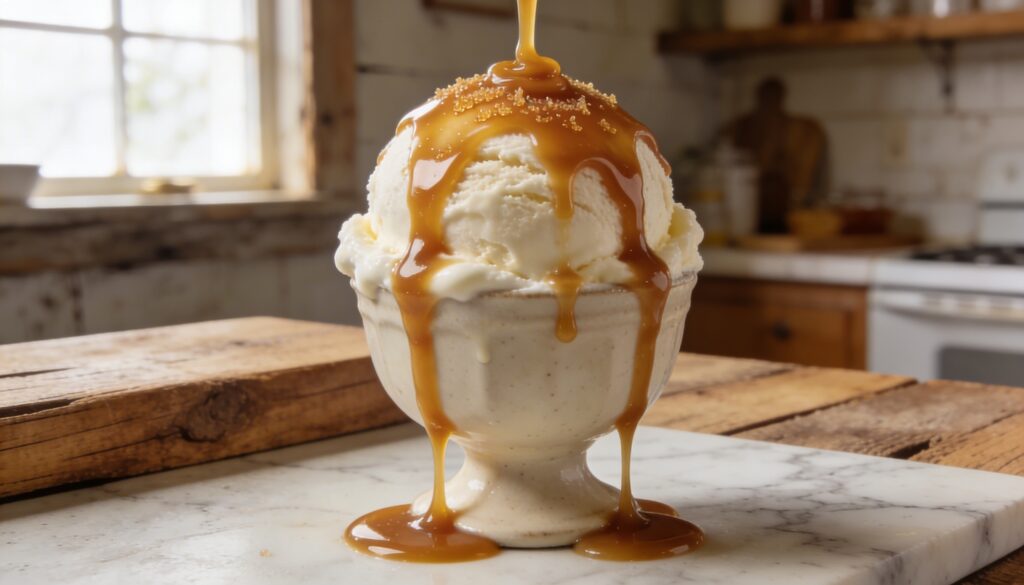
Foolproof Brown Butter Salted Caramel Recipe
April 5 is National Caramel Day and we're celebrating with five different ways to use homemade salted caramel — from sauce to brownies to stuffed cookies. Start with this foolproof brown butter caramel that makes everything it touches extraordinary.
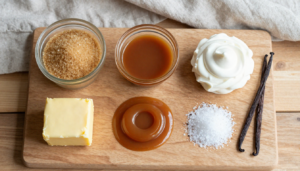
Ingredients
- 1 cup granulated sugar
- 1/2 cup unsalted butter
- 1/2 cup heavy cream
- 1 teaspoon sea salt
- 1 teaspoon vanilla extract
Instructions
- 1. In a saucepan over medium heat, melt the butter and cook until it turns golden brown and smells nutty, about 5-7 minutes. Remove from heat and set aside.
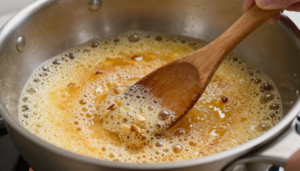
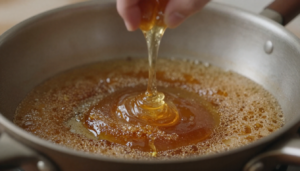
- 2. In another saucepan, spread the sugar evenly and cook over medium heat without stirring until it melts and turns amber in color, about 5-10 minutes.
- 3. Carefully whisk the browned butter into the melted sugar until well combined.
- 4. Slowly pour in the heavy cream while whisking continuously. The mixture will bubble vigorously.
- 5. Remove from heat and stir in the sea salt and vanilla extract until smooth.
- 6. Let the caramel cool slightly before transferring to a jar. It will thicken as it cools.
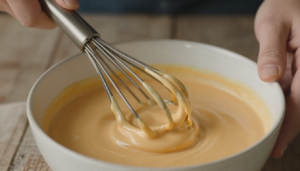
Details
A simple and foolproof recipe for homemade brown butter salted caramel sauce with a rich, nutty flavor.
Nutrition Facts (per serving)
| Calories | 100 kcal |
| Protein | 0 g |
| Carbs | 12 g |
| Fat | 6 g |
Notes
Store in refrigerator for up to 2 weeks. Reheat gently before use. Perfect for drizzling on ice cream, brownies, or cookies.
Why This Dish Belongs on Your Holiday Table
Look, holiday food is too often about grand, architectural statements—turkeys that must be carved, pies with lattice tops that mock your clumsy fingers. This caramel is the opposite. It’s a utility player. You make one pot of this—it takes maybe 15 minutes of active, heart-pounding focus—and suddenly you have a weapon. It stays good in a jar in the fridge for weeks, ready to be reheated. Drizzle it over store-bought ice cream when your aunt unexpectedly arrives. Fold it into brownie batter. Let it pool around a sad-looking cake. The brown butter is the secret agent here; it brings a nutty, almost savory depth that cuts the one-note sugar blast of regular caramel. It’s the ingredient that whispers there’s a cook in the house who gives a damn, even if that cook is currently wearing sweatpants. It’s the backbone for this sweet honey dessert, and the reason you should understand the science behind why brown butter is better. It’s not fancy. It’s just correct.
The Perfect Occasion for This Recipe
Serve this after the main event, when the plates are cleared but no one is ready to move. The perfect moment is that lull between the meal and the decision to open another bottle of wine—the post-feast stupor. It’s for the ‘fancy-but-lazy’ dinner, where you made one great thing (a roast, maybe) and need a dessert that implies effort without the three-hour cleanup. Pour it warm over vanilla ice cream right at the table, letting people serve themselves. That’s the move. The occasion is any time you need to buy goodwill, or when the conversation is lagging and a shared, decadent thing can restart it. For the curious, the transformation of sugar itself is a fascinating bit of food history, a whole process of caramelization that’s worth reading about when you’re not holding a 350-degree saucepan.
Frequently Asked Questions
Can I use salted butter and skip the sea salt?
Don’t. Just don’t. The control is in the separate elements. Brown your unsalted butter to watch the milk solids go from pale to toasty without the interference of salt. You add the flaky sea salt at the end, when you can taste and adjust. Using pre-salted butter is like trying to tune a radio with oven mitts on.
My caramel seized up and got grainy. What did I do?
You probably stirred the sugar while it was melting. Or a splash of cream that was too cold shocked it. Here’s the truth: when the sugar is dissolving, you can swirl the pan, but don’t agitate it with a spoon. If it seizes, just keep cooking on low heat—it will often melt back out. If it’s truly a lost cause, add a tablespoon of hot water and start the melting process again. It’s more resilient than you think.
How far ahead can I make this?
Weeks. Make it today. Put it in a clean jar. It thickens in the fridge into a spreadable paste. To use it as a sauce again, just scoop what you need into a heatproof bowl and microwave in 15-second bursts, or reheat gently in a pan. Frankly, the flavor deepens after a day or two. The vanilla and brown butter notes get friendlier.
What if I burn the sugar?
Start over. Seriously. There’s no saving acrid, bitter burnt sugar. It will infect the entire batch. The key is medium heat and patience. When it starts to color around the edges, swirl the pan for even cooking. It goes fast at the end. If you smell it before it looks right—that sharp, almost chemical smell—you’re already on the brink. Have your cream and butter measured and ready right next to the stove. You have about a 30-second window.
Conclusion
So go make a mess. Get a little sugar on the stovetop. Let the butter foam and smell like toasted hazelnuts. This isn’t about creating a perfect, Instagram-ready drizzle—it’s about having a secret weapon in your fridge that makes Tuesday night ice cream feel like a holiday. It’s the same principle of transforming simple ingredients that makes this custardy French dessert such a revelation. Now stop reading and go turn the heat on.