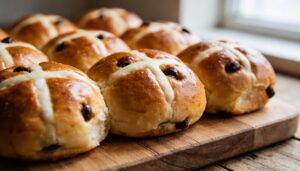
The year was 2018. My oven decided to die on Good Friday morning—not a slow death, but a dramatic clunk and silence right after I’d mixed the dough. I had twelve people arriving in four hours, flour dusting every surface of my galley kitchen, and the smell of yeast blooming in warm milk already hanging thick in the air. Hot Cross Buns were non-negotiable in my house, even if I had to commandeer my neighbor’s ancient AGA and sprint through a downpour with unbaked dough cradled like a newborn. That batch turned out better than any before—the crust crackled louder, the crumb stayed softer—and I’ve been chasing that specific chaos ever since. If you’re looking for something less dramatic but equally rewarding, my 7 Delicious Madeline Cookies Recipe Using Cream uses that same technique of browning butter until it smells like hazelnuts and regret. But today, we’re making these buns. The dough will stick to your fingers. Your kitchen will smell like a spice merchant’s shop. And somewhere between the kneading and the crossing, you’ll understand why some traditions refuse to die.
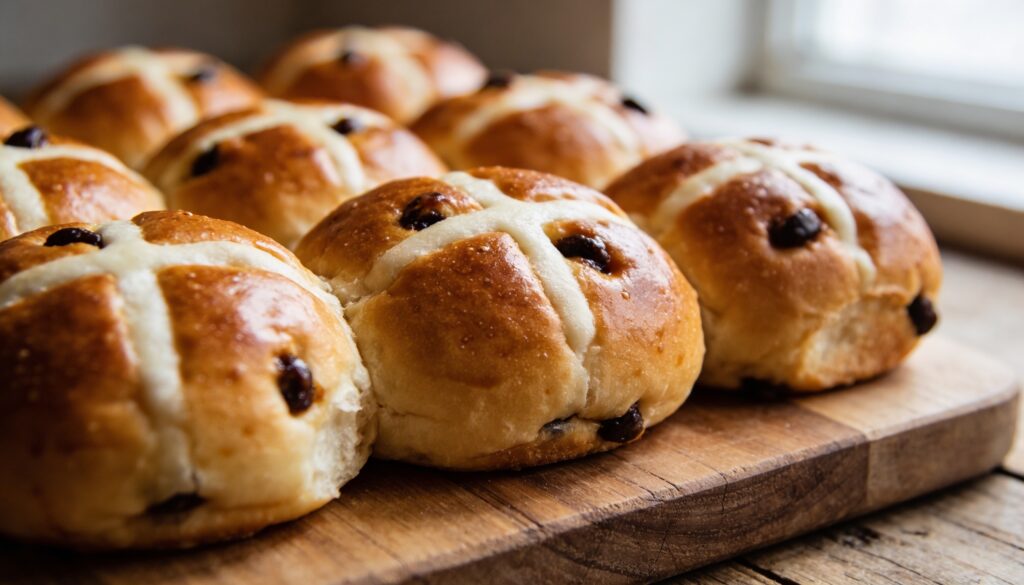
Hot Cross Buns: Good Friday Baking Tradition
Soft, lightly spiced buns studded with currants and marked with a flour cross — the most beloved Good Friday baking tradition in the English-speaking world. Make them on Good Friday morning and fill your home with the most comforting aroma of the year.
Ingredients
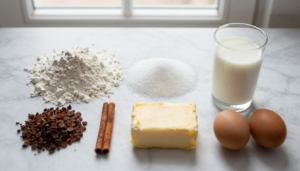
- 500g strong white bread flour
- 75g caster sugar
- 7g instant yeast
- 1 tsp salt
- 1 tsp ground cinnamon
- 1/2 tsp ground nutmeg
- 50g unsalted butter, softened
- 200ml warm milk
- 1 large egg
- 100g currants
- For the cross:
- 50g plain flour
- 4-5 tbsp water
Instructions
- 1. In a large bowl, mix flour, sugar, yeast, salt, cinnamon, and nutmeg.
- 2. Add softened butter, warm milk, and egg, and mix to form a dough.
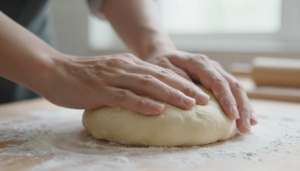
- 3. Knead the dough on a floured surface for about 10 minutes until smooth and elastic.
- 4. Place the dough in a greased bowl, cover, and let rise in a warm place for 1-2 hours until doubled in size.
- 5. Punch down the dough and knead in the currants until evenly distributed.
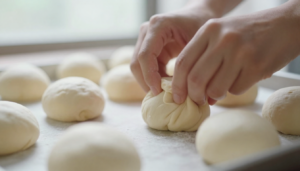
- 6. Divide the dough into 12 equal pieces and shape into round buns.
- 7. Place the buns on a baking tray lined with parchment paper, cover, and let rise for another 30-45 minutes.
- 8. Preheat the oven to 200°C (180°C fan).
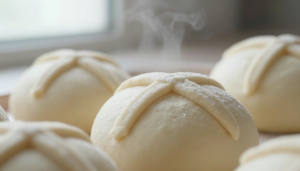
- 9. For the cross, mix plain flour with water to form a thick paste and pipe or spoon crosses onto the buns.
- 10. Bake for 15-20 minutes until golden brown and sound hollow when tapped.
- 11. Optional: brush with warm apricot jam for a glaze while the buns are still warm.
Details
Soft, lightly spiced buns studded with currants and marked with a flour cross, a traditional Good Friday bake that fills your home with a comforting aroma.
Nutrition Facts (per serving)
| Calories | 220 kcal |
| Protein | 5 g |
| Carbs | 40 g |
| Fat | 5 g |
Notes
Let the buns cool slightly before serving. Store in an airtight container for up to 3 days.
Why This Dish Belongs on Your Holiday Table
Here’s the reality: most Easter breads are either too fussy to eat with one hand while hiding eggs, or they dry out into hockey pucks before the second cup of coffee hits. These buns are different. The enriched dough—fattened with butter and egg—creates a structure that holds heat for nearly an hour after leaving the oven, which means you can bake them at dawn and serve them room temperature at brunch without apology. Unlike those delicate 7 Incredible Healthier Chocolate Cookies that demand immediate consumption, these sturdy rounds actually improve with a slight rest, allowing the spices to mellow and the currants to plump into juicy pockets. The Hot cross bun tradition carries weight because it was designed for utility—spiced dough preserved fruit through Lent, and the cross served as both blessing and portion marker. You’re not just baking bread; you’re making edible insulation that travels well to church basements, backyard hunts, or that one relative’s house where the heating never works properly. The cinnamon and nutmeg aren’t here to be subtle—they should sting your nose when you open the storage tin.
The Perfect Occasion for This Recipe
Don’t bake these on Thursday. Seriously—the dough needs to be made in the morning gloom of Good Friday itself, when the house is quiet and the only sound is the radiator ticking and your own breathing. These aren’t Christmas morning showstoppers or lazy Sunday treats; they carry the specific gravity of a religious fast breaking into spring. Serve them at 10:00 AM, right when the kids have finished their egg hunt and are starting to crash from chocolate overload, or bring them warm to a cemetery visit where the ground is still too cold for flowers but you need something alive in your hands. If you want to understand the superstitions—the ones about hanging buns in kitchens to ward off fires or sharing them to cement friendships—read the history at Hot Cross Buns. But practically speaking, these are for the moment when everyone is slightly hungover from Lenten fasting or secular winter, and needs something tangible to mark the shift in seasons. The currants provide bursts of sweetness against the bitter warmth of the spices. It’s specific. Don’t waste that specificity on a random Tuesday.
Frequently Asked Questions
Can I use raisins instead of currants?
You can, but you’ll lose the sharp, acidic bite that cuts through the butter. Currants are smaller, denser, and they don’t turn into mush after baking. If you must substitute, chop the raisins small and expect a sweeter, less complex bun.
My cross mixture keeps cracking. What am I doing wrong?
You’re piping it too thick. The flour paste should be the consistency of toothpaste, not cake frosting—thin enough to flow but thick enough to hold a line. And stop pressing so hard. Let the bag do the work, or the weight will sink into the dough and disappear during the bake.
Do I really have to wait until Good Friday?
No one’s going to arrest you. But the tradition exists because these spices—cinnamon, nutmeg—were once luxury items reserved for feast days. Baking them early robs them of their punctuated meaning. Wait. The anticipation makes the kitchen smell sharper.
Conclusion
You’ll burn the first batch. Everyone does—I did in 2014 when I got distracted by a phone call and let the milk scald until it smelled like a barnyard. The cross will look crooked. The currants will try to escape the dough. None of this matters. What matters is that you showed up to the tradition with flour under your nails and the patience to let yeast do its slow, gassy work. If you need a follow-up project that’s equally sticky but requires less theology, try the Sweet Honey Dessert for Easter Sunday. Otherwise, just eat these warm, with salted butter that melts into the grooves of the cross. They’re good. That’s enough.