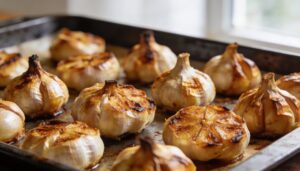
I learned the power of patience in a kitchen the size of a closet, Easter 2016, when the oven door wouldn’t seal properly and the whole apartment smelled like scorched rosemary for three days. That’s the year I discovered that Sweet Caramelized Roasted Garlic doesn’t need your fancy equipment—it just needs time and a willingness to ignore the smoke detector when the cloves start to weep their sugars onto the foil. You’ll stand there, watching through the glass, resisting the urge to crack the oven early because you’ve done that before—2014, I pulled them at forty minutes and they were raw in the center, bitter, completely useless. Now I set a timer for sixty-five minutes and walk away, trusting the low heat to do what my anxiety cannot. If you’re looking for something to anchor your holiday menu without stealing your sanity, this is it. Much like the patience required for a good Sweet Honey Dessert, this recipe rewards the hands-off approach. The cloves will slump. They’ll turn the color of wet sand after a storm. And when you squeeze them, they’ll yield like warm butter.
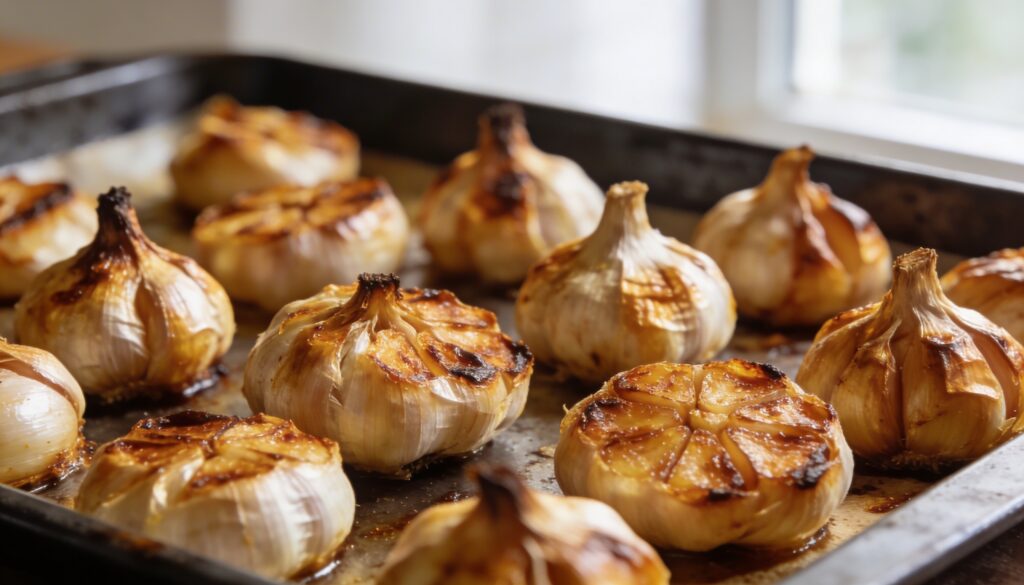
Sweet Caramelized Roasted Garlic for Easter
April 19 is National Garlic Day — and the day before Easter is the perfect time to roast several heads of garlic low and slow until they're sweet, caramelized, and spreadable as butter. Use it in your Easter dishes tomorrow: in the ham glaze, mashed potatoes, and gravy.
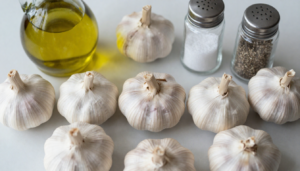
Ingredients
- 4 heads of garlic
- 2 tablespoons olive oil
- Salt to taste
- Black pepper to taste
Instructions
- 1. Preheat oven to 400°F (200°C).
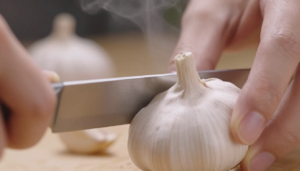
- 2. Cut the top off each garlic head to expose the cloves.
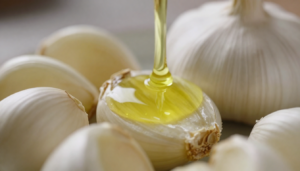
- 3. Place garlic heads on a baking sheet, drizzle with olive oil, and season with salt and pepper.
- 4. Cover with aluminum foil and bake for 40-45 minutes until soft and caramelized.
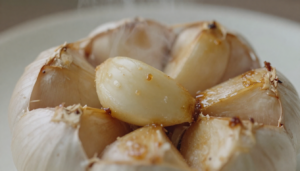
- 5. Let cool slightly, then squeeze out the cloves.
Details
This roasted garlic is sweet, caramelized, and spreadable, perfect for enhancing your holiday meals.
Nutrition Facts (per serving)
| Calories | 100 kcal |
| Protein | 1 g |
| Carbs | 9 g |
| Fat | 7 g |
Notes
Store roasted garlic in an airtight container in the refrigerator for up to a week. Use in Easter dishes like ham glaze, mashed potatoes, and gravy.
Why This Dish Belongs on Your Holiday Table
Most people treat garlic like an afterthought—a background note, something to chop and forget. They’re wrong, and your Easter table deserves better than culinary wallpaper. Roast four heads and you’ve got enough gold to mash into potatoes, smear under turkey skin, or whisk into pan drippings for a gravy that actually tastes like something. It holds at room temperature for hours without turning nasty, which means you’re not juggling timing like a circus act when the ham comes out. The ingredients don’t ask for much—just decent olive oil that doesn’t taste like plastic and garlic that hasn’t started to sprout green shoots. If you’re already planning the sweet finish, check out these 7 Irresistible Dripping Desserts, but don’t sleep on the savories. Historically, Easter feasting has always balanced the heavy with the bright—Easter Foods Hot Cross Buns Lamb can tell you more about how we’ve been dressing up spring lamb and heavy breads for centuries. This garlic bridges that gap: substantial enough for the holiday, but sharp enough to cut through the richness.
The Perfect Occasion for This Recipe
Make this on Holy Saturday when the house is quiet and the kids are somewhere else, ideally when you’ve got three other projects going and the oven’s already warm. It’s not a last-minute dish—you need that hour for the sulfur to cook off and the Maillard reaction to do its dark, sticky work. Serve it the next day at room temperature while the ham rests and you’re trying to remember where you hid the gravy boat. It works for the “I’m not cooking tomorrow” crowd who need components they can assemble rather than orchestrate. If you’re curious about how different cultures navigate the spring feast table, Easter foods offers a decent breakdown of regional traditions, though nobody online mentions the sheer relief of having one dish completely finished before the relatives arrive.
Frequently Asked Questions
Can I roast garlic the day before Easter?
Yes, and frankly, it tastes better after 24 hours in the fridge. The flavors marry, the sharpness mellows, and you’re not burning your fingertips trying to squeeze cloves while the turkey screams for attention.
Why did my garlic turn blue?
You panicked and added acidic ingredients too early, or your tap water has strange minerals. It’s not mold—it’s a chemical reaction. It tastes fine, but if the color bothers you, use filtered water and keep the lemon juice away until after roasting.
Do I really need four whole heads?
For a holiday crowd? Absolutely. One head yields maybe two tablespoons of usable paste after squeezing. Someone will want extra for their roll, someone else will steal a clove straight from the foil, and you’ll need reserve for the gravy. Make six heads if you’re feeding more than eight people.
My apartment smells like a diner. Is that normal?
That sulfur-sweet smell that clings to your curtains? That’s success. Open a window if you must, but that aroma means the sugars are caramelizing. If it smells burnt and acrid—like scorched coffee—pull it immediately.
Conclusion
You don’t need another recipe promising to change your life. You need something reliable that keeps its promises while you wrestle with a spiral ham and a relative who “doesn’t eat anything fermented.” Roast the garlic. Let it cool. Squeeze the cloves into a ramekin and cover it with foil until tomorrow. When the mashed potatoes hit the table and someone asks why they taste like you actually cared, just shrug. You’ve got dessert to worry about anyway—maybe something like this Custardy French Dessert NYT if you’re feeling ambitious, or just store-bought ice cream if you’re not. Either way, the garlic is handled. That’s enough.