Easter 2014. Rain hammered the roof so hard it found a crack above my stove, dripping directly onto the control panel and shorting the display before I’d even trimmed the fat. That was the year I learned that a garlic rosemary roast leg of lamb doesn’t forgive distraction—the smoke alarm chirped at 2 PM while my mother-in-law surveyed the charred exterior with the diplomatic silence of a woman who’d eaten her share of disasters. I’d cranked the heat to compensate for the drafty oven door that wouldn’t seal, and the poor beast emerged gray inside, burnt outside, tasting of regret and wet wool. Fifteen people stood in my living room holding wine glasses, waiting. Now? I cook this butterflied beauty outside when the weather allows, pairing it with whatever blistered vegetables I can throw alongside. You need something aggressive to stand up to this much lamb—something that can handle the rendered fat without wilting. That’s why I always check my roster of 10 Healthy Side Dishes for Grilling before I even light the coals. The acid and char cut through the richness in a way that mashed potatoes simply surrender to. Trust me. Your guests will stop talking politics when this hits the table.
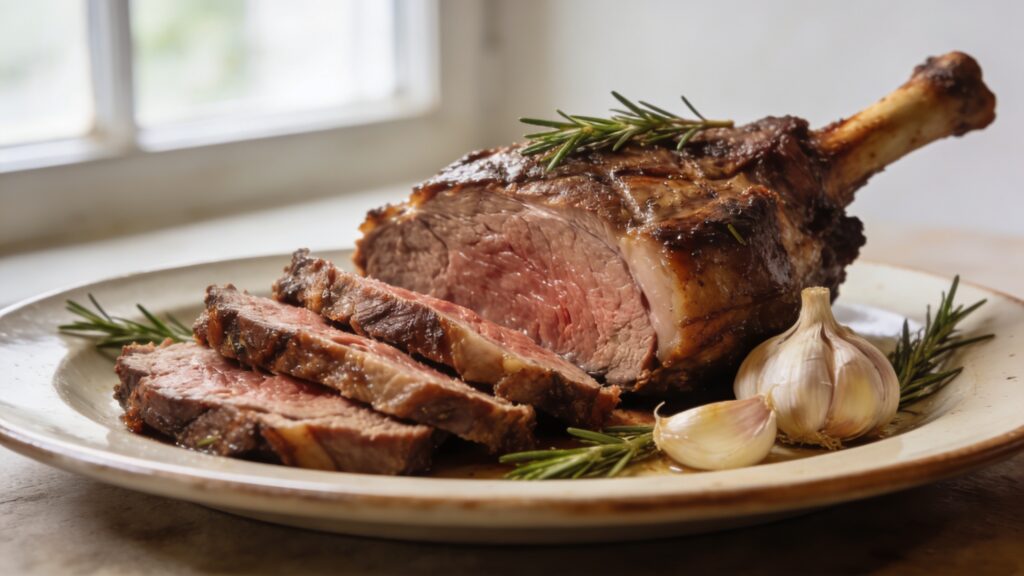
Garlic Rosemary Roast Leg of Lamb Recipe
A butterflied leg of lamb marinated in garlic, rosemary, lemon, and olive oil overnight — then grilled or roasted to a perfect blush pink. This is the most impressive spring main course in the American repertoire, and it's far simpler than it appears.
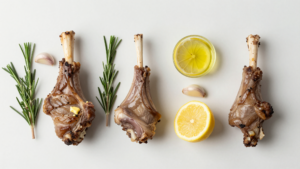
Ingredients
- 1 leg of lamb, butterflied (about 4 lbs)
- 4 cloves garlic, minced
- 2 tablespoons fresh rosemary, chopped
- Zest and juice of 1 lemon
- 1/4 cup olive oil
- Salt and black pepper to taste
Instructions
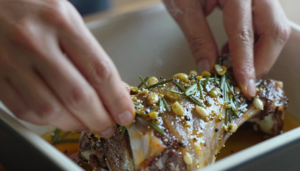
- 1. In a bowl, combine minced garlic, chopped rosemary, lemon zest, lemon juice, olive oil, salt, and pepper to make the marinade.
- 2. Place the butterflied leg of lamb in a large dish or resealable bag, and pour the marinade over it, rubbing it into the meat.
- 3. Cover or seal and refrigerate for at least 8 hours or overnight, turning once or twice.
- 4. Before cooking, let the lamb sit at room temperature for 30 minutes.
- 5. Preheat grill or oven to 400°F (200°C).
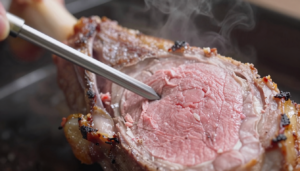
- 6. If grilling, cook over medium-high heat for 20-25 minutes per side, or until internal temperature reaches 135°F for medium-rare. If roasting, place on a rack in the oven and roast for 25-30 minutes per pound, or until 135°F.
- 7. Remove from heat and let rest for 10-15 minutes.
- 8. Slice against the grain and serve.
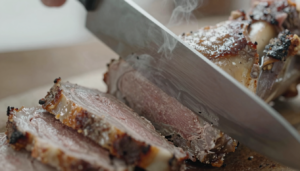
Details
A butterflied leg of lamb marinated in garlic, rosemary, lemon, and olive oil, then grilled or roasted to a perfect blush pink. A simple yet impressive spring main course.
Nutrition Facts (per serving)
| Calories | 350 kcal |
| Protein | 30 g |
| Carbs | 2 g |
| Fat | 25 g |
Notes
For best results, marinate overnight. Use a meat thermometer to ensure perfect doneness. Can be grilled or roasted based on preference.
Why This Dish Belongs on Your Holiday Table
Most holiday proteins panic when they sit. Turkey turns to pencil erasers. Prime tightens into leather. But this butterflied leg? It lounges. It stays loose and yielding for a solid hour after resting, which means you can actually enjoy your appetizer without sprinting to the kitchen every four minutes to check the internal temp. I’m throwing down the gauntlet: lamb is the only spring meat that feeds eight people without demanding a mortgage, and the leftovers—chopped cold with more lemon and olive oil—beat the turkey sandwich into submission. You want utility? The bones make stock that wakes up the dead. You want grit? Those rosemary needles stick under your fingernails for days, a green tattoo reminding you that real cooking leaves marks. Unlike fussy dishes that need plating choreography, this one accepts imperfection—a ragged slice, a pool of jus, some charred bits where the fire flared. It pairs beautifully with an Easy Chicken and Rice Bake for the few guests who claim they “don’t do lamb,” and if you’re nervous about doneness, consult a reliable Guide to Lamb Temperatures and Doneness before you start. The truth is, this cut forgives the host who forgets to baste because the marinade did the heavy lifting twelve hours ago.
The Perfect Occasion for This Recipe
This is the meal for the “we’re celebrating but I’m not martyring myself” dinner party. Think: the afternoon after everyone opens gifts and the house smells like wrapping paper and coffee, when people are hungry but nobody wants to sit at a formal table with six forks. You need the Essential Tools for Roasting Large Cuts—a good sheet pan, a trustworthy thermometer, and a cutting board that won’t slide—but once you have those, the work is mostly waiting. Serve this at 4 PM with the curtains open and daylight fading, when people can cut thick slices with their fork against the plate and drag bread through the juices without apology. It’s for the host who wants credit for effort but spent the morning reading a novel instead of trussing a bird. The lamb doesn’t care about presentation; it cares about being left alone to rest while you pour another drink.
Frequently Asked Questions
Can I use dried rosemary instead of fresh?
Only if you enjoy the texture of pine needles between your teeth. Fresh rosemary bruises and releases oil; dried rosemary just sits there like dead grass. If you’re desperate, use half the amount and grind it in a mortar first, but honestly? Buy the fresh stuff or pick a different recipe.
How do I know when it’s actually done without cutting into it?
You touch it. Press the thickest part with your finger—if it feels like the muscle between your thumb and forefinger when you relax your hand, it’s rare. If it feels like when you make a tight fist, you’re in well-done territory and we’ve failed. Otherwise, 125°F internal for medium-rare. Pull it at 120°F; it will climb while resting.
Can I make the marinade ahead?
Yes, and frankly, it tastes better after 24 hours in the fridge. The garlic mellows, the lemon zest perfumes everything, and you get to be smug about your prep on the day of.
What if my butcher only gives me a bone-in leg?
Add forty-five minutes to your cooking time and accept that you’ll be carving around a bone while everyone watches. It’s doable, but butterflied is survivalist cooking—fast, even heat, no drama. Ask them to butterfly it or do it yourself with a sharp knife and a YouTube tutorial.
Conclusion
You’ve got this. The lamb doesn’t need your anxiety; it needs your attention for twenty minutes of actual work and then the good sense to leave it alone. Start the night before, trust your thermometer, and remember that a slightly uneven slice never killed a dinner party. If this somehow goes sideways, chop the whole thing up, toss it with pasta and more olive oil, and call it deconstructed. Your people are there for the company, not a performance. When you’re ready for something less aggressive but equally honest, dig into these 10 Healthy Comfort Food Recipes that won’t ask you to babysit a roast for three hours. Now go wash your hands—you’ve got garlic under your nails.