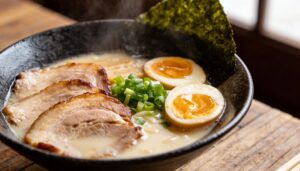
Okay, I surrendered. After my algorithm decided that my sole purpose in life was to watch 20-second clips of that milky-white broth cascading over perfect, springy noodles for the fifteenth time in a day, the FOMO won. My feed was a perfectly curated gallery of this particular bowl of homemade tonkotsu ramen, and I had to know if reality matched the frame. Was it a broth you could build a weekend around, or just another visually stunning project destined for the compost bin of forgotten trends? Let’s be clear: making a truly authentic, rich, and silky pork broth is a commitment. It’s not a hack; it’s a journey. It demands hours of simmering, a watchful eye, and an acceptance that your kitchen will smell deeply… porky. I cracked open the bones (both literally and metaphorically) to see if this was culinary gold or just good lighting. Think of it as the savory, soul-warming counterpart to a delicate broth, like the one you’d find in a classic Cappelletti in Brodo.
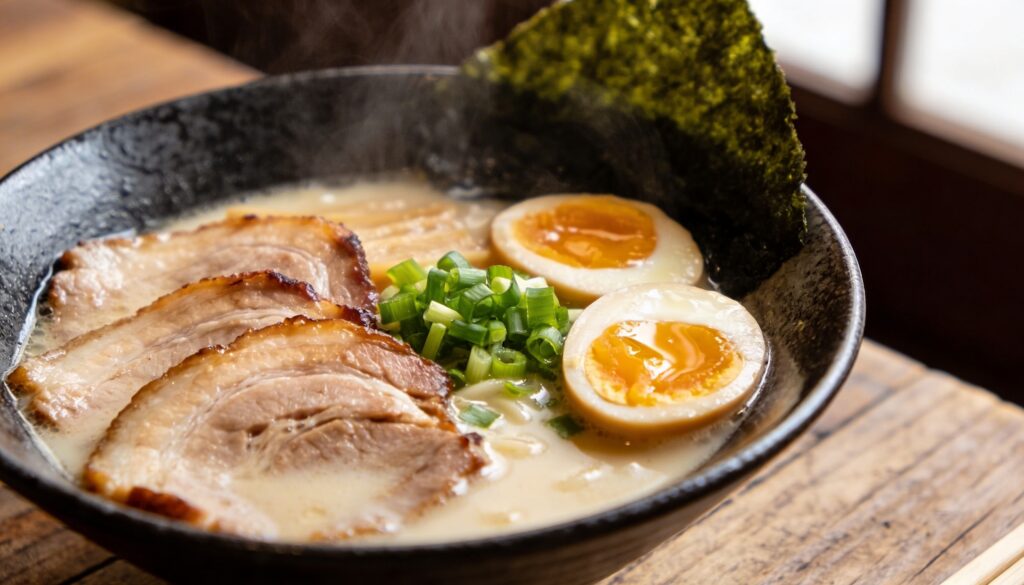
Homemade Tonkotsu Ramen: Rich & Silky Pork Broth
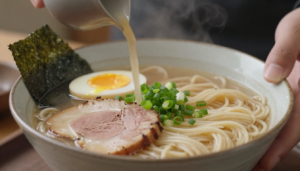
A rich, creamy pork bone broth simmered for hours, poured over perfectly cooked ramen noodles with chashu pork, soft-boiled eggs, nori, and green onions. National Ramen Day is the perfect excuse to attempt the ramen bowl you've been dreaming about.
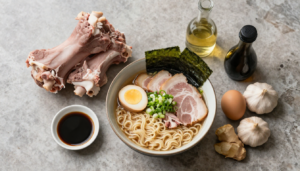
Ingredients
- 2 lbs pork bones (trotters or neck bones)
- 1 gallon water
- 1 piece ginger, sliced
- 4 cloves garlic, crushed
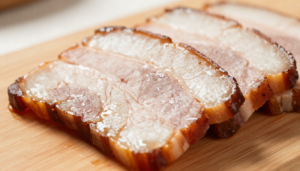
- 1 lb pork belly
- 1/2 cup soy sauce
- 1/4 cup mirin
- 1/4 cup sake
- 2 tbsp sugar
- 4 servings ramen noodles
- 4 eggs
- 4 sheets nori
- 4 green onions, sliced
- Salt to taste
Instructions
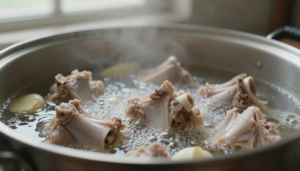
- 1. Rinse the pork bones and place them in a large pot with water. Bring to a boil, skim off any scum, then reduce heat to a low simmer.
- 2. Add sliced ginger and crushed garlic to the broth. Simmer uncovered for 6-8 hours, occasionally skimming, until the broth is rich, creamy, and opaque.
- 3. For the chashu pork, combine soy sauce, mirin, sake, and sugar in a saucepan. Add the pork belly and bring to a simmer. Cook for 1-2 hours until tender, turning occasionally.
- 4. Remove the pork belly from the sauce, let it cool slightly, then slice it thinly. Reserve the sauce for seasoning.
- 5. Soft-boil the eggs: bring a pot of water to a boil, gently add eggs, and cook for 6-7 minutes. Transfer to ice water to cool, then peel and halve.
- 6. Cook the ramen noodles according to package instructions until al dente, then drain.
- 7. To assemble, divide noodles among bowls. Ladle the hot broth over the noodles. Top with chashu slices, soft-boiled egg halves, nori sheets, and sliced green onions. Season with salt or reserved chashu sauce if desired.
Details
A traditional Japanese ramen featuring a labor-intensive pork bone broth, tender chashu pork, soft-boiled eggs, and classic toppings for an authentic bowl.
Nutrition Facts (per serving)
| Calories | 650 kcal |
| Protein | 28 g |
| Carbs | 55 g |
| Fat | 35 g |
Notes
Skim the broth regularly for clarity. The broth can be made ahead and refrigerated for up to 3 days. Adjust seasoning with salt or soy sauce to taste.
Why This Dish Is Taking Over Your Feed
The visual hook is undeniable. It’s that moment in the video: the near-opaque, creamy broth gets poured slowly, deliberately, until it just kisses the rim of the bowl, cradling the noodles and toppings. It’s a pour shot that screams luxury and patience. But beyond the scroll-stopping visuals, this homemade tonkotsu ramen works because it delivers a sensory experience that a packet simply cannot. The hype isn’t about a weird shortcut; it’s about the alchemy of transforming humble pork bones and water into liquid silk. It’s about the depth of flavor that comes from a 12-hour simmer, where collagen breaks down and emulsifies into the broth. The payoff is a bowl that’s deeply savory, luxuriously textured, and profoundly satisfying. It’s a masterclass in building flavor from the foundation up, a principle that applies whether you’re crafting this broth or perfecting a Gordon Ramsay French Onion Soup. For the full scientific breakdown of achieving that perfect emulsion, the guide over at Serious Eats: Rich and Creamy Tonkotsu Ramen Broth is your new best friend.
The Perfect Occasion for This Recipe
Let’s be brutally honest: this is not a Tuesday night after work situation. The perfect occasion is a lazy Sunday with absolutely zero plans, a holiday where you want to flex your culinary dedication, or when you need to atone for a major life blunder (it’s that impressive). The social payoff is immense. Presenting a steaming, custom-built bowl of homemade tonkotsu ramen to friends is the ultimate food flex. It says, “I care enough to simmer bones for half a day just for you.” The ‘grammable moment is the grand reveal—the cross-section of the marinated egg with its jammy, golden yolk melting into the broth, the precise fan of chashu pork, the artistic sprinkle of scallions. It’s a project with a delicious, edible reward. Want to nail the toppings for maximum visual and flavor impact? The experts at Bon Appétit: Tonkotsu Ramen Recipe have some pro-level assembly tips to make your bowl look like it came straight from a shop window.
Frequently Asked Questions
Q: Can I skip the 12-hour simmer? Is there a hack?
A: Listen, I love a good shortcut more than anyone. But for this? No. The magic of tonkotsu is in the relentless, rolling boil that emulsifies the marrow and collagen into the broth. A pressure cooker can cut the time roughly in half, but you still need to commit to a vigorous final boil to get that signature creamy texture. This isn’t the place to cut corners.
Q: My broth isn’t creamy white! It’s kinda… beige and greasy. What did I do wrong?
A: Welcome to reality, my friend. This is the most common behind-the-scenes fail. It usually means you weren’t boiling it aggressively enough. You need a consistent, rolling boil that churns the pot, not a gentle simmer. Also, make sure you pre-boiled and scrubbed the bones properly to remove impurities. The perfect white broth is a prize earned through vigilant, bubbly chaos.
Q: Is pork belly the only option for the chashu? It looks amazing but feels heavy.
A: Totally fair. Pork belly is the classic, camera-ready star, delivering that unctuous, melt-in-your-mouth fat. But if you want a slightly leaner option that still brings incredible flavor, you could braise a piece of pork shoulder. Or, for a completely different but equally impressive protein, consider something like a slow-smoked brisket sliced thin over the top. It’s a killer fusion move.
Conclusion
The final verdict? Keep. File this one under “Worth the Wait.” This homemade tonkotsu ramen project isn’t just a fleeting visual trend; it’s a foundational cooking experience. Yes, the journey is long, messy, and your house will smell like a ramen-ya for a day. But the first spoonful of that rich, complex, velvety broth—a flavor you built from bones and water—hits differently. It’s the taste of patience, and honestly, it beats any algorithm-curated hype. Just maybe clean your stove before you take the money shot.