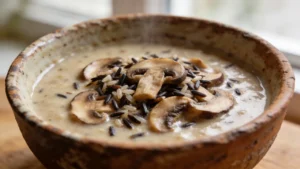
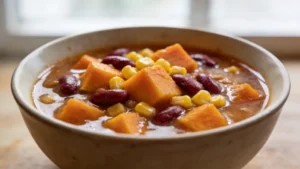
The year was 2014, and my aunt’s kitchen clock had stopped working sometime in the 90s. I stood there, elbow-to-elbow with three cousins, watching a pot of what was supposed to be celebratory soup reduce into a scorched paste that smelled like regret and singed cumin. That disaster taught me what a real Vegan Three Sisters Stew demands—patience, space to breathe, and the humility to start over when the squash sticks. I’d been trying to rush the sacred trio into submission. Big mistake. Now, when Indigenous Peoples Day rolls around, I make this instead. It’s not fast. It’s not quiet. The aroma of smoked paprika hits the back of your throat like truth serum. But it nourishes. If you need a gentler entry into corn-based comfort, my Creamy Corn Chowder the Whole Family Devours will warm you up without the battle scars.
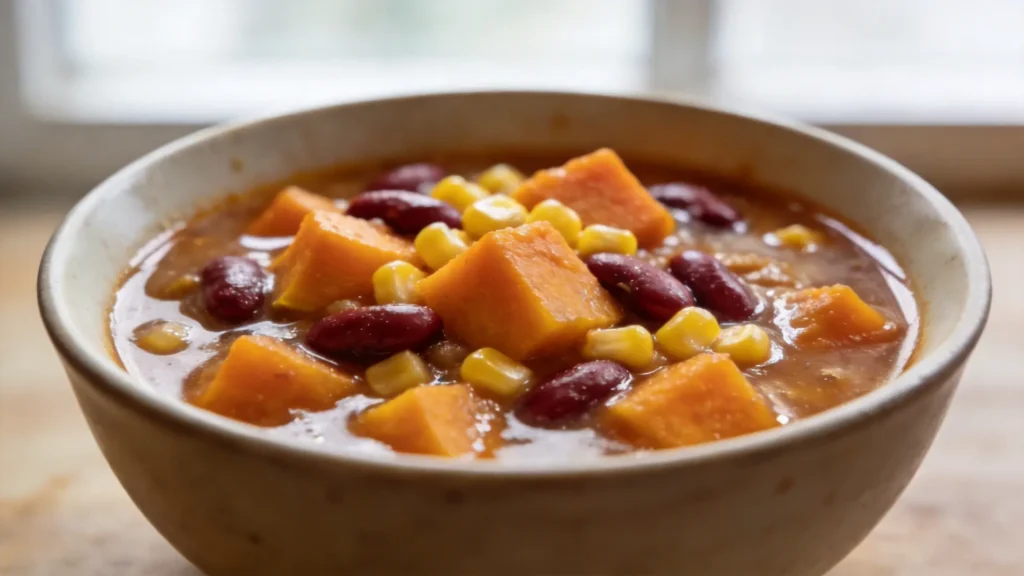
Vegan Three Sisters Stew: Native Heritage
This hearty vegan Three Sisters stew with corn, beans, and squash honors Indigenous Peoples Day with the sacred Native American crop trio. Deeply nourishing, completely plant-based, and rich with cultural meaning.
Ingredients
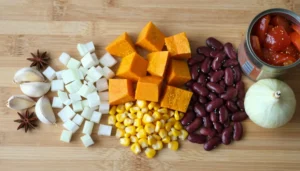
- 1 tablespoon olive oil
- 1 onion, diced
- 2 cloves garlic, minced
- 1 butternut squash, peeled and cubed (about 2 cups)
- 1 cup fresh or frozen corn kernels
- 1 can (15 oz) kidney beans, drained and rinsed
- 1 can (15 oz) diced tomatoes
- 4 cups vegetable broth
- 1 teaspoon ground cumin
- 1 teaspoon smoked paprika
- 1 teaspoon dried oregano
- Salt and pepper to taste
- Fresh cilantro for garnish (optional)
Instructions
- 1. Heat olive oil in a large pot over medium heat.
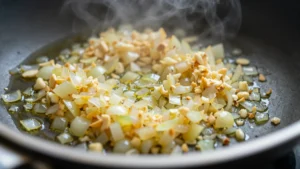
- 2. Add diced onion and sauté until translucent, about 5 minutes. Add minced garlic and cook for 1 minute.
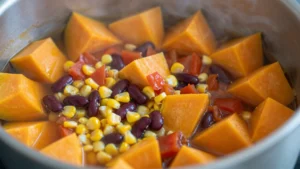
- 3. Add cubed butternut squash, corn, kidney beans, diced tomatoes (with juices), and vegetable broth.
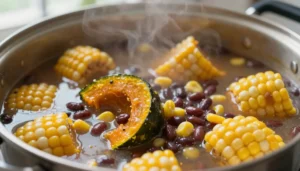
- 4. Stir in cumin, smoked paprika, and oregano. Bring to a boil, then reduce heat to low and simmer, covered, until squash is tender, about 30-35 minutes.
- 5. Season with salt and pepper to taste.
- 6. Serve hot, garnished with fresh cilantro if desired.
Details
Hearty vegan stew featuring the sacred crop trio of corn, beans, and squash, rich in cultural meaning and deeply nourishing.
Nutrition Facts (per serving)
| Calories | 320 kcal |
| Protein | 15 g |
| Carbs | 50 g |
| Fat | 8 g |
Notes
This stew is inspired by the traditional Native American Three Sisters planting method of corn, beans, and squash, which grow together symbiotically. It's a hearty, plant-based dish perfect for honoring Indigenous Peoples Day or any fall gathering.
Why This Dish Belongs on Your Holiday Table
Most holiday mains demand babysitting. This one doesn’t. The squash breaks down into velvet, the beans hold their shape for hours, and unlike that fussy bird in the oven, this stew actually improves when you ignore it for twenty minutes while sorting out the seating chart drama. It feeds eight hungry adults without complaint, sits happily on a back burner while you open wine, and costs less than a catering panic-buy. The grit comes from the corn—don’t you dare use canned creamed corn here. You want kernels with chew, with history, grown from heritage seed if you can find it. I learned this resilience from years of pairing corn with beans in lighter dishes like my Grilled Corn Black Bean Salad (280 Cal), but this stew is the heavy-hitter. For context on why these three plants matter beyond the bowl, read up on Indigenous Food Sovereignty and Traditional Agriculture.
The Perfect Occasion for This Recipe
Serve this when the house smells like wrapping paper and everyone’s blood sugar is crashing around 3 PM sharp. The liminal space between the last gift opened and the realization that dinner is still three hours away—that’s where this stew lives. It’s also your diplomatic answer for the “I’m vegan now” announcement that drops two days before Thanksgiving. No separate sad tofu plate required. The pot is generous, democratic, and feeds both the aunt who diets and the uncle who hunts. If you need authentic hominy, heirloom tepary beans, or a proper clay pot, check Native Food Sources and Traditional Cooking Vessels for suppliers who work directly with Indigenous growers.
Frequently Asked Questions
Can I make this ahead?
Yes, and frankly, it tastes better after 24 hours in the fridge. The spices settle in. Just don’t add the cilantro until you reheat it—nobody wants grey herbs.
My squash turned to mush—what happened?
You stirred too much, or your knife work was sloppy. Cut the butternut into 1-inch cubes like you mean it, not random chunks. And stop peeking. Every time you lift that lid, you’re adding twenty minutes to the cook time.
Is this actually authentic Native American food?
It’s inspired by the Haudenosaunee and Cherokee Three Sisters agricultural tradition, but I’m a home cook, not a tribal elder. This is my interpretation using available ingredients. For true Indigenous cuisine, seek out Native chefs and restaurants—this is a starting point, not the archive.
Do I need to soak the beans?
You’re using canned, so absolutely not. If you switch to dried, soak overnight or use the quick-boil method—but that’s a different recipe entirely.
Conclusion
Look, the holidays are hard. People are hungry, stoves are crowded, and someone always brings a dietary restriction you didn’t plan for. This stew won’t fix your family dynamics, but it will fill bellies without stress. Cook it. Feed people. Move on. And when you need corn in a hurry later that week, make my 10-Minute Mexican Street Corn for Busy Nights. You’ve got this.