I learned the hard way that spring doesn’t wait for your oven to behave. Three years ago, during a flooded April afternoon, my cousin’s rehearsal dinner crammed sixteen people into my galley kitchen while the thermostat died. The Easy Basque Cheesecake Spring Dessert Recipe saved me after that disaster—before it, I was attempting a finicky water bath cheesecake that cracked like the San Andreas fault. The smell of burning sugar still haunts me from that day. That acrid catch in your throat when caramel goes too far. Never again. This burnt-top beauty laughs at precision. Unlike that fussy Creamy Blueberry Swirl Cheesecake with Graham Cracker Crust I ruined back then, this one wants the heat cranked to eleven. You don’t need springform pans that leak. Just a hot oven and the courage to let it burn.
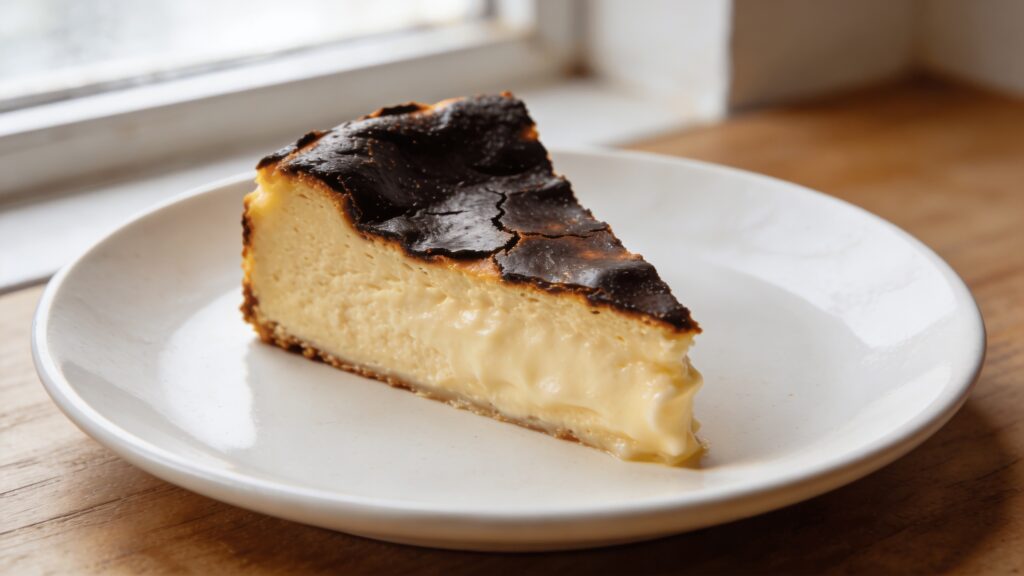
Easy Basque Cheesecake Spring Dessert Recipe
From Basque cheesecake to pistachio everything and strawberry crunch cakes — here are the dessert trends that every foodie is making in spring 2025. Save this pin as your seasonal baking bucket list and work your way through every single one before summer.
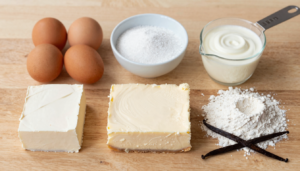
Ingredients
- 900 g full-fat cream cheese, softened
- 250 g granulated sugar
- 4 large eggs
- 500 ml heavy cream (35% fat)
- 30 g all-purpose flour
- 1 tsp vanilla extract
- 1/4 tsp salt
Instructions
- 1. Preheat the oven to 200°C (400°F). Line a 20 cm (8 inch) springform pan with a double layer of parchment paper, letting it extend above the rim.
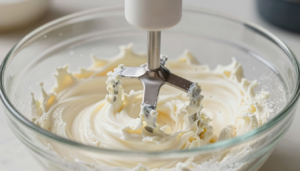
- 2. In a large bowl, beat the cream cheese with an electric mixer until smooth. Add the sugar and beat until creamy and no lumps remain.
- 3. Add the eggs one at a time, beating well after each addition. Mix in the vanilla extract.
- 4. Pour in the heavy cream and mix on low speed until just combined.
- 5. Sift the flour and salt over the batter and fold gently with a spatula until just incorporated. Do not overmix.
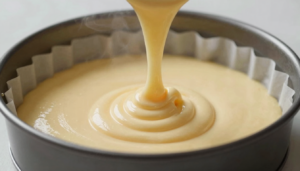
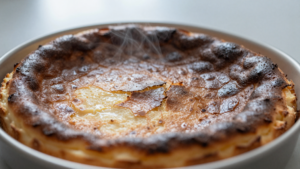
- 6. Pour the batter into the prepared pan. Bake for 45-55 minutes, until the top is deeply browned and the center still jiggles slightly when shaken.
- 7. Let the cheesecake cool completely in the pan at room temperature, then refrigerate for at least 4 hours (preferably overnight) before slicing.
Details
This Basque cheesecake is a spring trend that requires minimal effort for maximum flavor. The high-heat baking creates a caramelized crust while the inside stays lusciously creamy. Serve at room temperature for the best texture.
Nutrition Facts (per serving)
| Calories | 480 kcal |
| Protein | 8 g |
| Carbs | 30 g |
| Fat | 38 g |
Notes
The parchment paper should extend at least 5 cm above the pan to prevent the batter from overflowing. For a deeper burnt top, increase oven temperature to 220°C in the last 10 minutes. Refrigeration is essential for a creamy texture.
Why This Dish Belongs on Your Holiday Table
Here’s the reality most food bloggers won’t admit: your guests don’t care about perfect slices. They want something rich enough to stop conversation. This cake feeds ten hungry people without the tyranny of a water bath, and it sits patiently on the counter for hours without collapsing into a puddle like lesser desserts. The heavy cream and full-fat cream cheese aren’t just ingredients—they’re insurance against the dry, chalky misery of low-fat substitutions. I once served this alongside a Classic Italian Tiramisu at Easter brunch, and while the tiramisu demanded constant refrigeration anxiety, this Basque beauty just thickened and improved as it cooled. Spring eggs are the secret weapon here; the yolks are almost orange, staining the batter a deep gold that feels honest and unapologetic. If you’re hauling this to a potluck, wrap the tin in a towel and go—no frosting to smudge, no layers to slide. For the sturdy springform pans that won’t leak black butter into your oven, check this Professional Springform Pan Review.
The Perfect Occasion for This Recipe
Serve this when your mother-in-law announces she’s coming for Mother’s Day and you’ve spent the morning arguing with your teenager about grass stains. It’s for the “fancy-but-lazy” dinner where you want to look like you tried without actually monitoring a thermometer. The ideal moment is that post-gift-opening slump when everyone’s blood sugar crashes and the turkey is still two hours out. You pull this from the fridge—yes, it must be cold, never warm—and the burnt caramel smell hits before the knife does. The crustless sides mean no graham cracker crumbs in your carpet. If you need the right 9-inch tin that won’t warp under screaming heat, grab the equipment listed in this Spring Baking Equipment Guide.
Frequently Asked Questions
Can I use low-fat cream cheese?
No. And don’t ask again. The 35% fat cream is non-negotiable too—anything less and you’ll end up with a rubbery disc that tastes like regret.
Why is the top completely black?
That’s the point. If it’s not deeply bronze with blackened spots, you didn’t go far enough. In 2019, I pulled one out at “golden” and it tasted like eggy pudding. Burn it.
Do I really need a springform pan?
A deep cake tin works, but line it with two crossed parchment sheets that hang over the edges. You’ll need those handles to lift the cracked beast out—otherwise you’re digging it out with a spoon at midnight.
How far ahead can I make this?
Three days, covered tight in the fridge. It gets denser, fudgier—better. Don’t serve it warm. I mean it. The texture sets only when cold.
Conclusion
Stop overthinking the cracks. This cake is supposed to look like it survived a house fire— that’s how you know the interior is custardy and deep. If you mess it up, scrape the burnt bits off and call it rustic, or just eat the evidence before anyone sees. Spring baking shouldn’t require therapy. When you’re done with this, try the Easy Homemade Apple Crisp Recipe for something that embraces chaos even harder. Now go burn something beautiful.