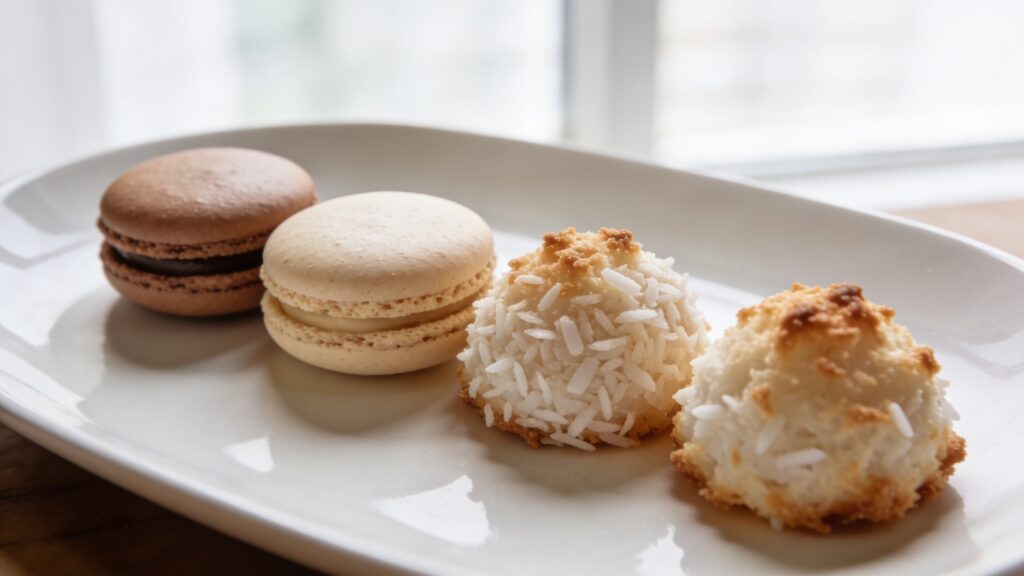
I saw the eternal French macaron vs. American macaroon debate pop up on my feed for the 14th time today and finally cracked. National Macaroon Day (May 31st) was the excuse I needed to test both side by side. The algorithm promised a perfect frame of delicate pastel shells next to golden coconut mounds. But I had to know if this was just good lighting or actual dessert magic. The hype was loud, but my kitchen reality is usually a lot messier. First, I prepped my almond flour and powdered sugar for the macarons—100g each, sifted twice to avoid lumps. Then I tackled the shredded coconut for the macaroons—200g with sweetened condensed milk. Two very different batters, one countertop disaster. The visual payoff? That first perfect macaron foot and a toasted coconut edge. If you’re wondering how to balance a multi-step baking project with your Classic Italian Tiramisu for dessert, I’ve got you covered.
French Macarons and American Macaroons Recipe
National Macaroon Day is the perfect occasion to settle the eternal confusion: the delicate French macaron sandwich cookie versus the rustic American coconut macaroon. Both are extraordinary. Both deserve to be on your May 31st dessert plate simultaneously.
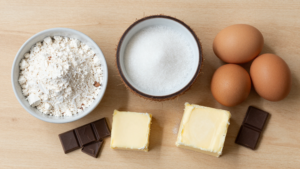
Ingredients
- Almond flour, 100g
- Powdered sugar, 100g
- Egg whites, 4 large (divided)
- Granulated sugar, 60g
- Cream of tartar, 1/4 tsp
- Gel food coloring, a few drops
- Unsalted butter, 50g
- Milk, 1 tbsp
- Vanilla extract, 1 tsp
- Shredded coconut, 200g
- Sweetened condensed milk, 100g
- Salt, 1/4 tsp
- Dark chocolate, 100g
Instructions
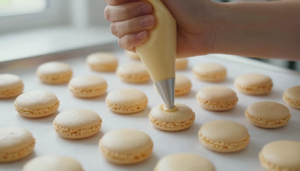
- 1. Sift almond flour and powdered sugar together. In a clean bowl, beat 2 egg whites with cream of tartar until foamy. Gradually add granulated sugar and beat to stiff, glossy peaks. Fold in dry ingredients and food coloring until batter flows like lava. Pipe 1-inch rounds onto parchment-lined baking sheets. Let rest 30 minutes until skins form. Bake at 300°F (150°C) for 14-16 minutes. Cool completely.
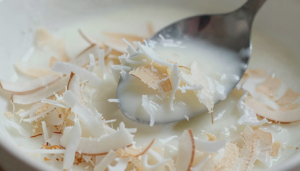
- 2. Preheat oven to 325°F (160°C). Mix shredded coconut, sweetened condensed milk, vanilla extract, and salt. In another bowl, beat 2 egg whites to stiff peaks. Fold into coconut mixture. Drop tablespoonfuls onto parchment-lined sheets. Bake 15-18 minutes until golden. Cool on wire rack.
- 3. For filling: Beat butter until creamy. Add powdered sugar and milk, beat until fluffy. Add vanilla extract to taste.
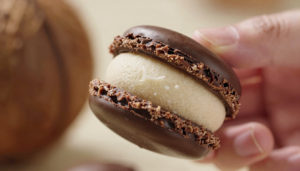
- 4. Pair macaron shells of similar size. Pipe filling on half, sandwich with remaining shells. Refrigerate 24 hours for best texture.
- 5. Melt dark chocolate. Dip the flat side of each macaroon into chocolate. Place on parchment to set.
Details
A delightful duo of delicate French macarons and chewy American macaroons, perfect for National Macaroon Day.
Nutrition Facts (per serving)
| Calories | 280 kcal |
| Protein | 4 g |
| Carbs | 33 g |
| Fat | 20 g |
Notes
For best results, age egg whites overnight and allow macarons to rest before baking. Macaroons can be stored at room temperature in an airtight container.
Why This Dish Is Taking Over Your Feed
The visual hook is undeniable: a row of smooth, domed macarons with delicate ruffled feet next to craggy, golden-brown macaroons drizzled with dark chocolate. It’s the ultimate split-screen flex. On one side, French elegance—almond flour, powdered sugar, gel coloring. On the other, rustic comfort—shredded coconut, condensed milk, a pinch of salt. But the real reason both keep showing up on your timeline? They’re surprisingly straightforward once you nail the technique. The macaron’s magic happens when you fold the meringue just enough to create a lava-like ribbon—not a pancake, but not a stiff peak. The macaroon? Toast the coconut first for deeper flavor, then bake until the edges are bronzed. Both deliver that perfect bite: the macaron’s thin shell giving way to a chewy center, the macaroon’s crisp exterior with a soft, sweet interior. If you love the silky texture of Classic Velvety Chocolate Mousse, you’ll appreciate the precision here. For extra tips, check this external breakdown of macaron science, but honestly, the biggest hack is patience with your egg whites.
The Perfect Occasion for This Recipe
May 31st is the obvious answer—National Macaroon Day demands a dual dessert plate. But honestly, this is the move when you want to impress without doing a full pastry course. The macarons steal the show at a bridal shower; the macaroons are the easy win for a cookie swap. The social payoff is huge: you get to explain the difference with an air of superiority while everyone snaps photos. The macarons need a 30-minute rest before baking to develop that skin (skip this, and your shells crack). The macaroons? No resting—just scoop and bake. For the camera-ready tip: use a piping tip for the macarons to get uniform circles, and scoop the macaroons with a cookie scoop for consistent size. A light dusting of cocoa powder or drizzle of dark chocolate (100g melted) ties both together. If you want a creamy companion, pair with this external guide to perfect ganache.
Frequently Asked Questions
Do macarons and macaroons actually taste similar?
Not even close. Macarons are nutty, buttery, and delicate—think almond cookie with a ganache center. Macaroons are coconut-heavy, sweet, and chewy, almost like a slightly crisp mound of coconut candy. They’re both desserts, but they’re not interchangeable.
Why do my macarons come out with cracked tops?
Two culprits: your meringue wasn’t stiff enough, or you didn’t let them rest until a skin formed (touch the surface—if it’s tacky but not sticky, you’re good). Also, check your oven: an oven thermometer is non-negotiable. And don’t open the door during baking.
Can I use sweetened shredded coconut instead of unsweetened?
You can, but your macaroons will be extra sweet—especially with the condensed milk. I’d recommend reducing the sugar elsewhere. If you want a deeper flavor, toast the coconut first (350°F, 3–5 minutes). Watch it like a hawk; it burns fast.
How far ahead can I make these?
Macarons actually taste better the next day once the filling matures. Store in the fridge for up to 3 days. Macaroons are best the day they’re baked—they lose their crisp edge overnight. But they freeze well (unfilled macarons and baked macaroons) for up to a month.
Does gel food coloring really matter?
Yes. Liquid food coloring will throw off your macaron batter’s hydration. Gel gives you vibrant color without extra liquid. A few drops is all you need. For the macaroons, you can skip coloring entirely—they’re naturally golden brown.
Conclusion
Final verdict? Both are keeps—but for different reasons. Macarons are the showpiece: high-effort, high-reward, perfect for when you want to flex your baking skills. Macaroons are the low-stress crowd-pleaser that somehow disappear faster. The real hack is making both on May 31st so you get the best of both worlds. Just be ready for the kitchen mess—it’s not a prop, it’s reality. If you’re craving another dessert that balances elegance and ease, try the Creamy Blueberry Swirl Cheesecake with Graham Cracker Crust. That one also photographs like a dream, and it’s way less risky than a macaron batch. Scroll on, but make these first.